The laboratory focuses on translational studies of stress-related psychopathology, primarily post-traumatic stress disorder (PTSD) and depression, with a specific emphasis on factors influencing individual test subjects’ responses to psychological stress.
Why do some individuals who are exposed to stress develop PTSD while others do not? What renders one individual susceptible and another resilient to adverse experiences? Some of these distinctions are most certainly related to functional psychological factors, but the molecular pathways underlying fear neural circuitry in animals expressing high vs. low fear responses have not been demonstrated, nor has the relationship between these neural circuits and peripheral markers been determined. What areas of the brain and which neurobiological mechanisms are involved in these processes?
Our goal is to understand the potential biological foundations of vulnerability and resilience to stress, as well as avenues for treatment or prevention. To achieve this, we delve into various factors such as gender-related, genetic, physiological, pharmacological, morphological, and bio-molecular elements that are present before, during, and after exposure to stress. By categorizing study subjects based on their individual response patterns, which mirror clinical diagnostic criteria, and analyzing data from severely, minimally, and partially affected animals, we aim to explore the intricate relationship between behavior and biological parameters.
THE RESEARCH SUBJECTS:
❀
Neurobiological mechanisms underlying individual differences in response to stress in an animal model of PTSD.
❀
The effects of predator stress on the behavioral, molecular, and morphological responses of wild rodent species in a laboratory setup.
❀
Neurobiological mechanisms underlying the effects of blast wave-induced mTBI and PTSD: an innovative experimental animal model.
❀
The involvement of the immune system and inflammatory processes in mood and anxiety disorders – a translational science study – from animal models to clinics.
❀
Obesity and posttraumatic stress disorder – not a lightweight matter.
❀
The association between PTSD and adult ADHD.
❀
The neural mechanisms underlying the impact of psychedelics such as MDMA, Psilocybin, and Ketamine on animal models for psychiatric disorders.
Even the strongest among us can be touched by the shadow of post-traumatic stress disorder; It’s not a mark of frailty but a common human response to extraordinary stress.
RAMBO: FIRST BLOOD. USA, 1982.
❀
click the image above to play video.
Join us as we explore its causes, and navigate through prevention and treatment strategies.
Hagit Cohen,Ph.D
Jack Dreyfus Chair in Psychiatry, Professor of Psychiatric Neuroscience. Head of Anxiety and Stress Research Unit, Faculty of Health Sciences,Ben-Gurion University.
Ministry of Health, Beer-Sheba Mental Health Center, P.O. Box 4600, Beer-Sheva 84170, Israel Tel: +972-8-6401742 | Fax: +972-8 6401743


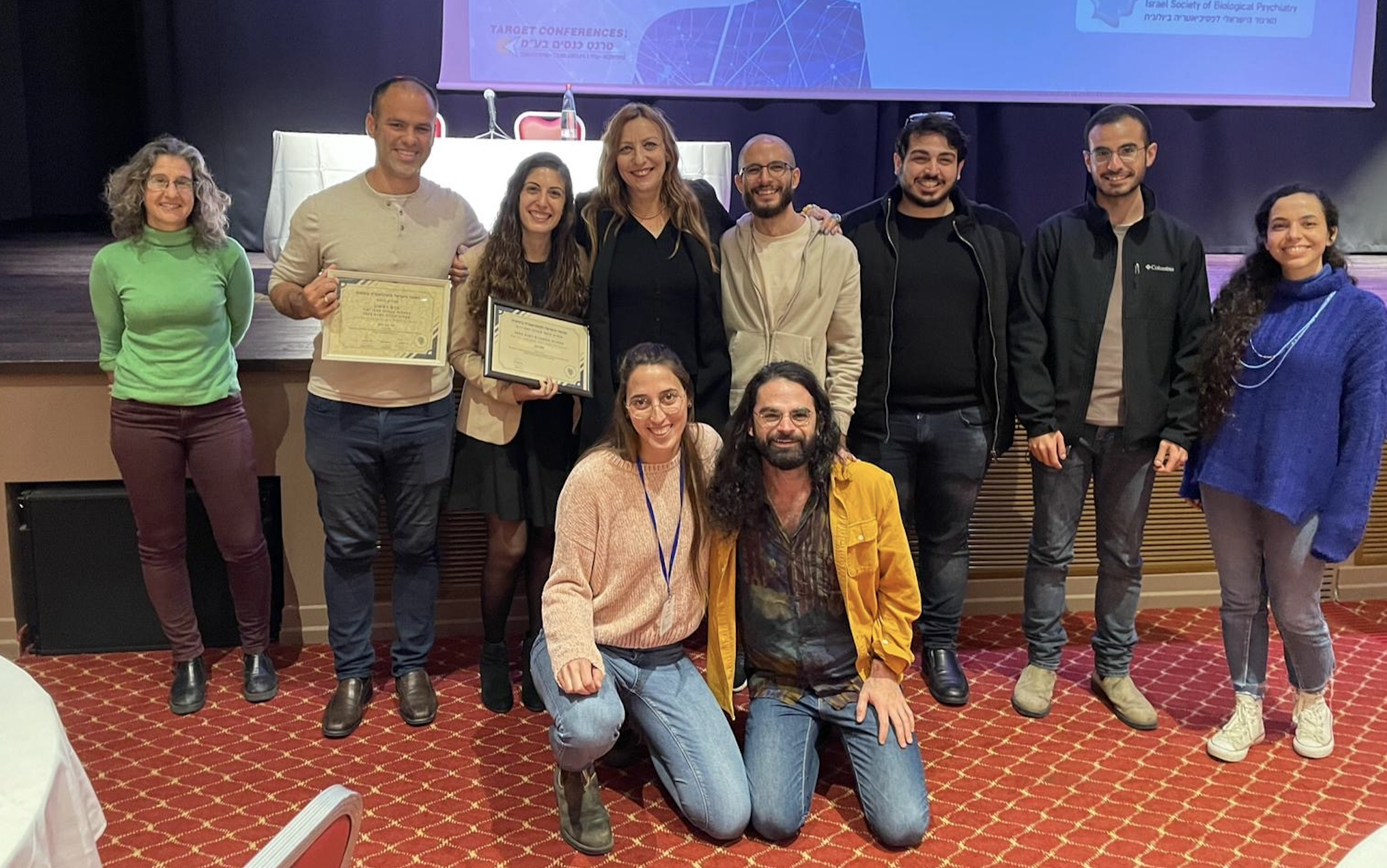

 Hagit Cohen laboratory